Car trouble can happen at any time, without warning. A driver may be on the way to work, heading home late at night, or simply out for a short drive when the car suddenly stops, a tire goes flat, or the engine fails to start. For residents of Everett, Washington, this kind of situation is common, and understanding how roadside help works can make it much easier to handle.
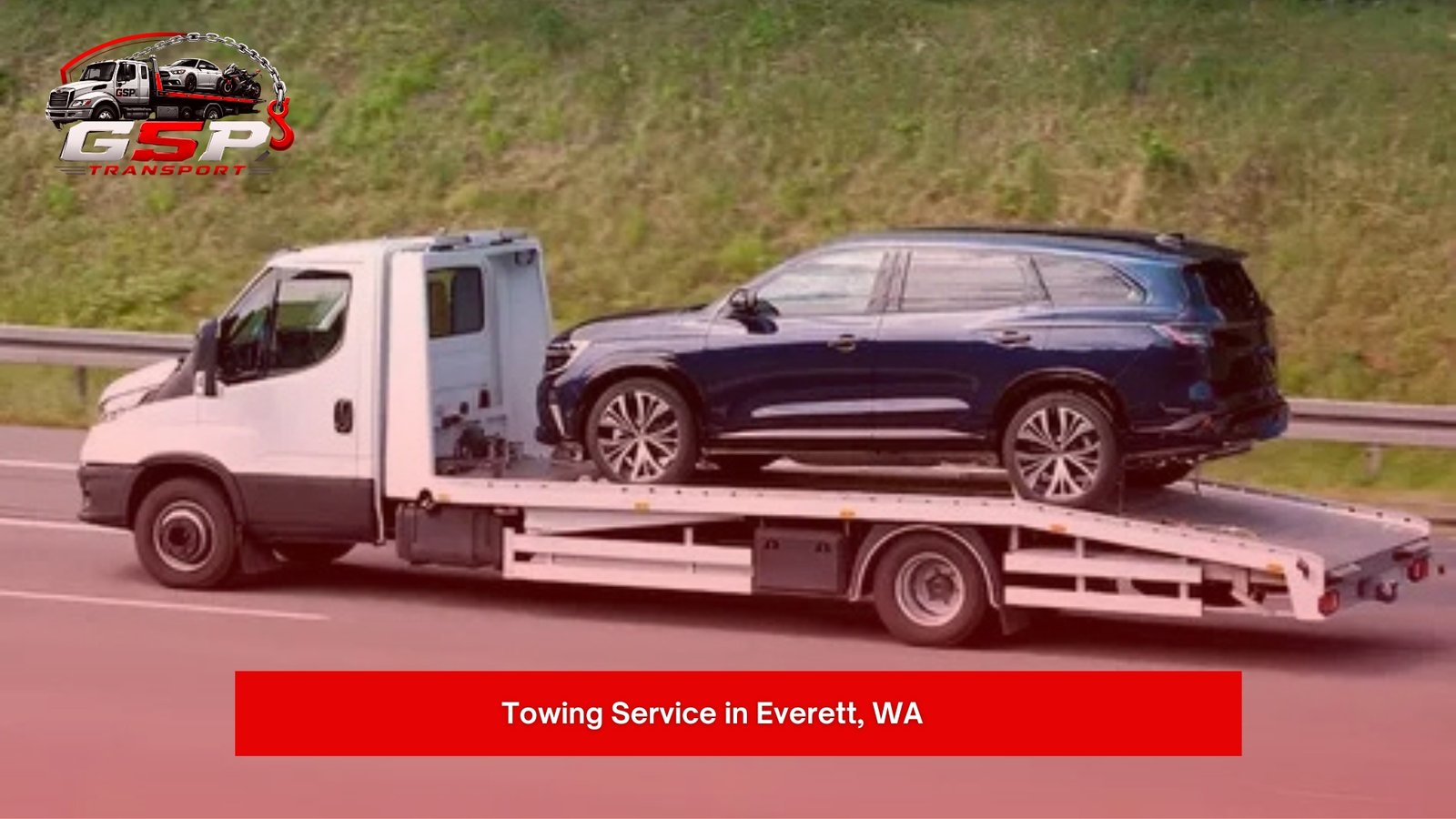
If you ever need a towing service in Everett, WA, GSP Towing is available to help. This guide explains why cars break down, what to expect when calling for assistance, and how to be better prepared the next time something goes wrong on the road.
Why Cars Break Down
Even well-maintained cars can develop problems. Some issues build up slowly and show warning signs, while others happen suddenly with no notice at all. Knowing the common causes can help drivers recognize a problem early, before it turns into something more serious.
Common Causes
Some of the most common reasons a car breaks down include:
● Dead batteries, especially in cold weather when battery power drops faster.
● Flat or damaged tires, often caused by potholes, worn tread, or debris on the road.
● Engine overheating, which can happen during long drives or hot weather.
● Transmission problems, which can cause the car to stall or shift poorly.
● Running low on fuel, a problem that happens more often than most drivers expect.
● Lockouts, when a driver accidentally leaves the keys inside the car.
● Accidents, which can leave a car unsafe or unable to drive.
How Local Weather and Roads Play a Role
Weather and road conditions in Everett can also contribute to these problems. The city receives heavy rainfall throughout the year, which can affect road grip and visibility. Its location near Puget Sound also brings frequent fog, especially in the early morning. Along with steady traffic on routes such as I-5 and Evergreen Way, these conditions place extra strain on vehicles over time. Seasonal temperature changes can further affect tire pressure and battery performance.
What Happens When You Call for Help
For drivers who have never needed roadside assistance before, the process is simple once they understand how it works.
Making the Call
A driver typically calls a service provider and explains their location, the type of car they have, and a brief description of the problem. Providing clear details, such as a nearby street or landmark, helps the driver get there faster. Once the call is made, a technician is dispatched. The time it takes to arrive depends on traffic, weather, and how busy the company is at that moment.
Checking the Vehicle
Once help arrives, the technician examines the car to see whether the problem can be fixed on the spot, such as a dead battery or flat tire, or whether the car needs to be towed to a repair shop or another location chosen by the driver. Most companies aim to arrive within thirty minutes to an hour, though this can vary depending on distance and current demand.
Types of Roadside Help
Not every breakdown requires towing. Many problems can be resolved without moving the car at all, which saves both time and money.
Fixes That Don’t Require a Tow
Some common services that can be handled without towing include:
Jump starts for a dead battery
Tire changes when a spare is available
Fuel delivery for cars that have run out of gas
Lockout assistance for drivers locked out of their own vehicle
When Towing Becomes Necessary
In some cases, a car cannot be repaired on the roadside and requires additional help, such as:
• Recovery service for a car stuck in mud, snow, or a ditch
• Full towing when the car cannot be driven safely
• Accident recovery, when a damaged car must be moved from the scene
• Understanding these differences can help drivers explain their situation clearly and know what to expect once help arrives.
How Pricing Usually Works
The cost of roadside help depends on several factors, and understanding them ahead of time can help avoid surprises later.
What Affects the Cost
Distance plays a major role, both in how far the technician must travel to reach the car and how far the car must be towed afterward. Time of day can also affect pricing, since some companies charge more for late-night or holiday service. The type of service required matters as well, as a jump start is usually less expensive than a full tow. The size of the vehicle is another factor, since larger vehicles such as trucks or SUVs often cost more to tow than smaller cars.
Understanding the Charges
Many companies charge a base fee simply for arriving at the scene, along with an added cost per mile for towing. It is a good idea to ask for a price estimate before work begins to avoid unexpected charges. Some insurance plans and roadside assistance memberships cover part or all of these costs, so it is worth checking your coverage in advance.
What to Look for in a Towing Company
Not every towing company operates the same way, so it helps to know what to look for before you actually need one.
Things Worth Checking
Availability, since some companies operate only during certain hours while others are open at all times
Response time, as a long wait can be both unsafe and stressful
Range of services offered, since some companies only tow while others also provide jump starts, lockout help, and tire changes
Clear pricing, since dependable companies explain costs before starting work
Proper licensing and insurance, which protects both the car owner and the technician performing the service
Reviewing these details in advance, rather than during an emergency, can make the process much easier when the time comes.
Staying Safe While Waiting for Help
If a car breaks down, there are a few steps drivers can take to stay safe until help arrives.
Immediate Steps
Move the car to a safe location, such as the side of the road or a nearby parking lot, to reduce the risk of a collision. Turn on the hazard lights so other drivers can see the vehicle. On busy roads, it is often safer to remain inside the car rather than standing near moving traffic.
Preparing Before the Call
Before calling for help, have your location, vehicle type, and a short description of the problem ready. This can reduce response time. Keeping a phone charged, or carrying a small charger in the car, is also useful during a longer wait.
Reducing the Risk of Future Breakdowns
Breakdowns cannot always be prevented, but regular care can lower the chances of one happening.
Simple Habits Worth Following
A few habits that can help include:
Checking oil levels, battery health, and tire condition regularly
Paying attention to dashboard warning lights instead of ignoring them
Watching the fuel gauge, especially before long trips
Keeping basic tools and a flashlight in the car
Paying Attention to the Season
Certain times of year place more strain on a vehicle. Cold weather can weaken batteries and lower tire pressure, while wet seasons can wear down tires faster and reduce road grip. Checking these parts of the car before seasonal changes can help prevent an unexpected breakdown.
Common Questions Drivers Have
Even with a general understanding of the process, a few questions tend to come up
often.
FAQS
How Long Does Help Usually Take to Arrive?
This depends on location, traffic, and the number of calls the company is handling at the time. In most parts of Everett, help typically arrives within thirty minutes to an hour, though it may take longer in areas that are harder to reach.
Should You Stay With the Car?
In most cases, yes. Staying with the car helps the technician confirm details on arrival and avoids confusion about the location. That said, personal safety should always come first, especially if the vehicle is in an unsafe spot.
What Should Be Done Before Help Arrives?
Turning on hazard lights, moving to a safe location if possible, and having basic vehicle details ready are the most useful steps to take while waiting.
Final Thoughts
Car trouble is never convenient, but understanding how roadside help works can make it much easier to manage. Knowing why breakdowns happen, what to expect when calling for assistance, and how pricing and services typically work can all help the process go more smoothly.
For drivers in the area, understanding how a towing service in Everett, WA works can help you feel prepared and stay calm whenever car trouble arises. Contact GSP Towing for emergency and quick services; we will be at your service as soon as possible.